
The IPATHS project is being developed through different stages. This course 2024-2025 the facilitators have worked with the students in the 4 countries involved in two different TRAINING PHASES.
NATIONAL TRAINING (December 2024 – February 2025) We already informed about this in this website and in our social media, go and check to refresh your memory!!
Now, we are just in the middle of the International Training. This is a very important moment for our students. After working for a week with a word (relationship, collaboration, respect, border…) and creating the most beautiful, meaningful and creative final products, it is time to see what the others have done. They are spending time watching, analysing, comparing and writing feedback about the final outputs of the international students who have worked with the same word.
Once these final products have been thoroughly seen, it’s time to connect with our partners via zoom and organise groups with students from different countries to create a new output.
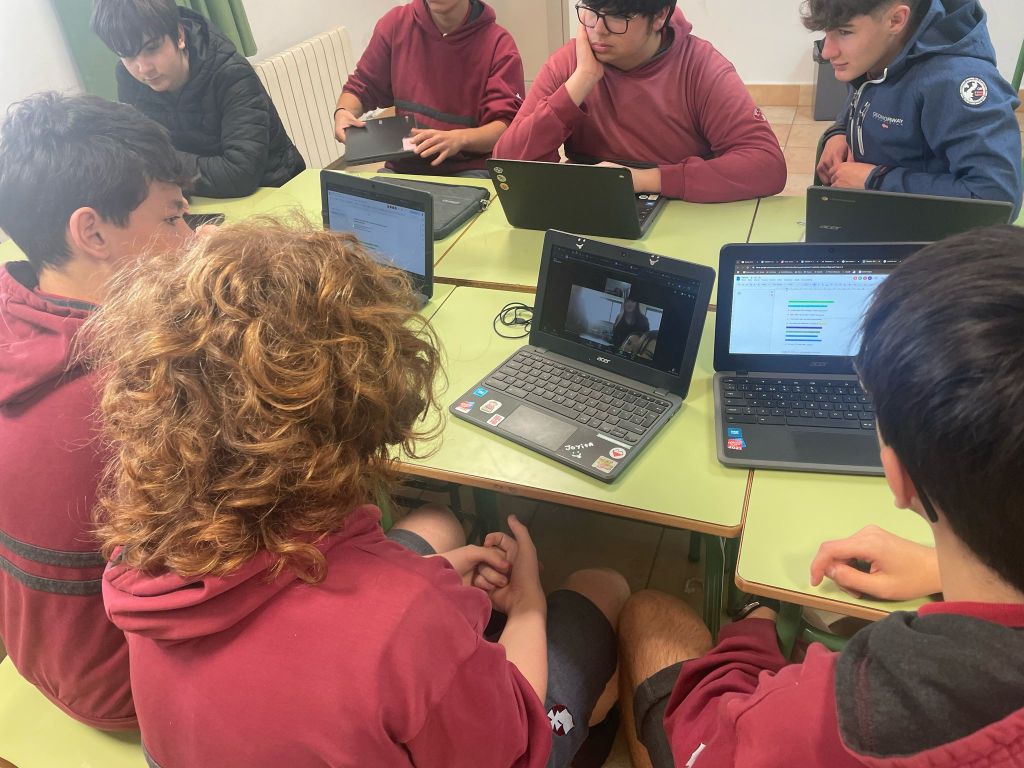
How have we organised this International Training?
The facilitator explains how the week is organised. Following this, the facilitator conducts a brainstorming session with the students to identify four types/fields/areas of output (e.g., music, literature, visual arts, etc.).
For example:
- Collaborative text (manifesto, poem, article).
- Video discussion (recording of a dialogue).
- Audio podcast (recorded debate).
- Drawing/schematic representation (concept map, illustration).
- Poster/infographic (visual summary of the concept).
The facilitator then organises students into four mixed groups, ensuring that each group has adequate representation from students of each participating country. These are the roles that the students will decide:
Moderator: coordinates the group’s work.
Writers or content creators: develop the output.
Idea collectors: filter and integrate suggestions from the chat.
Presenters: summarize the work and present it at the end.
Students are free to create their outputs in the format of their choice (video, text, audio/podcast, etc.). Each group will work in front of the entire audience, who will observe the brainstorming and collaborative work of each group. They have shared a PADLET to share ideas and then they will spend the time creating a new output, this time an INTERNATIONAL one.
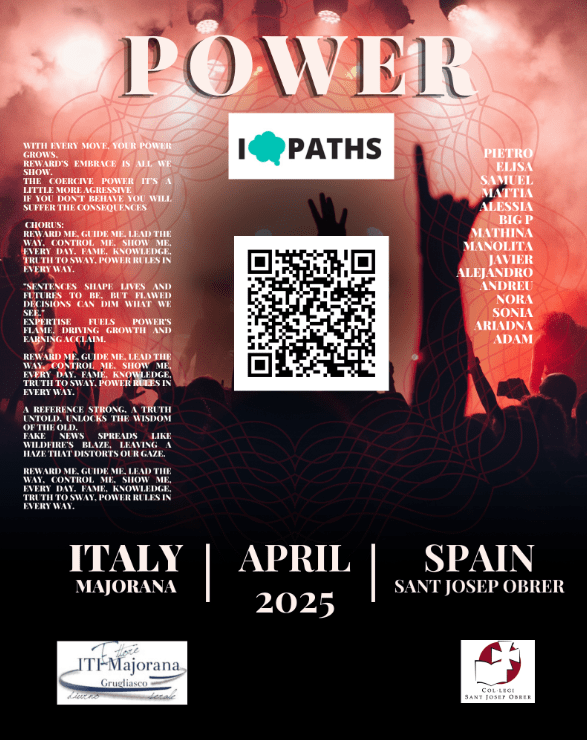
This is just a little example of what the students are able to do when they are given the opportunity. Engaging the students in this kind of project it’s a challenge, but a very rewarding one.
 Intercultural philosophical approach to thinking skills